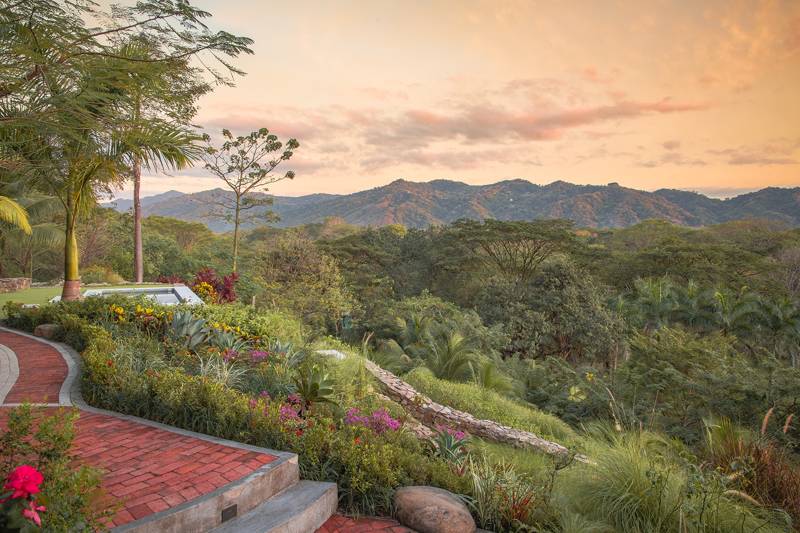
From abandoned pasture to a living collection
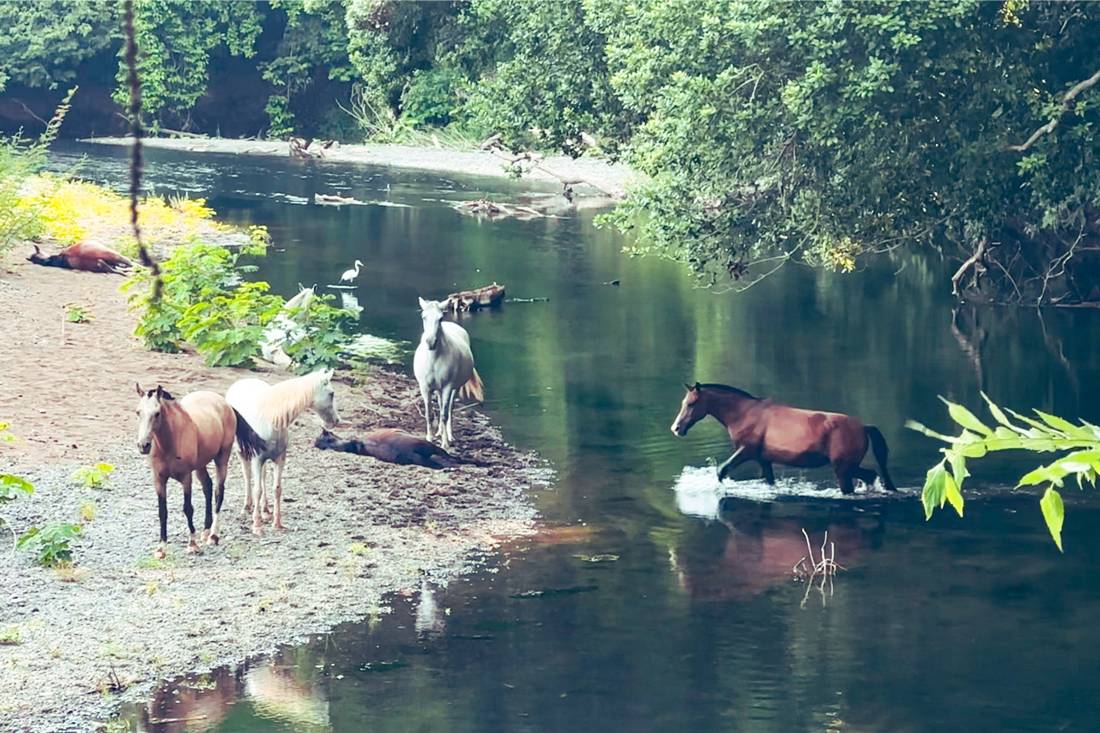
In 2013 this was sixteen acres of cattle pasture on the Nosara River, long abandoned and overrun with invasive scrub. Like most of Guanacaste, it had been clear-cut decades before. The first planting came the following June: 119 trees set into hard ground at the start of the rains, the most difficult planting the estate would ever make.
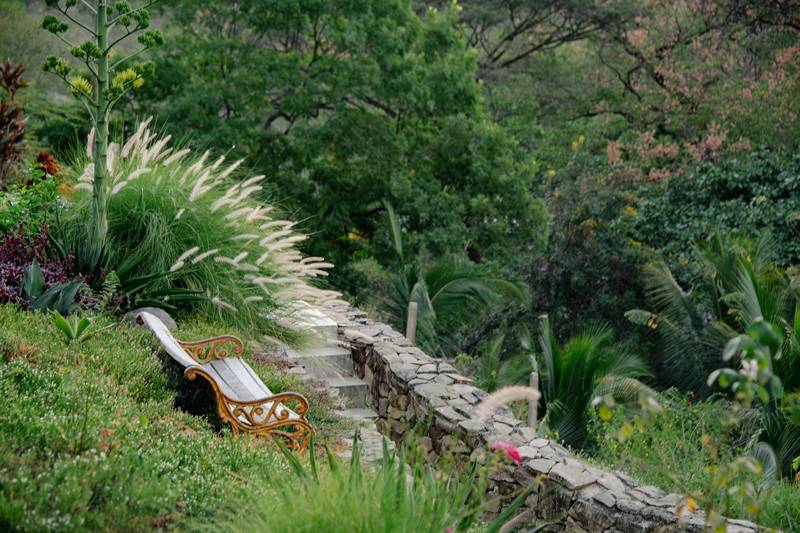
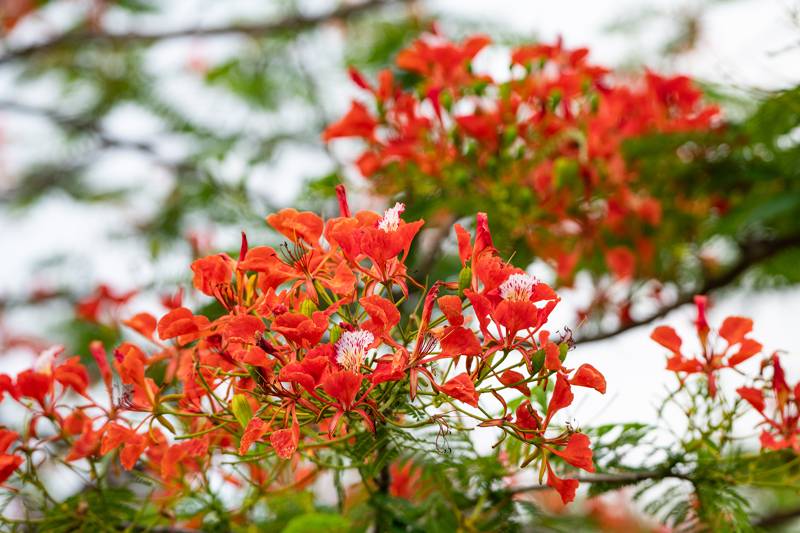
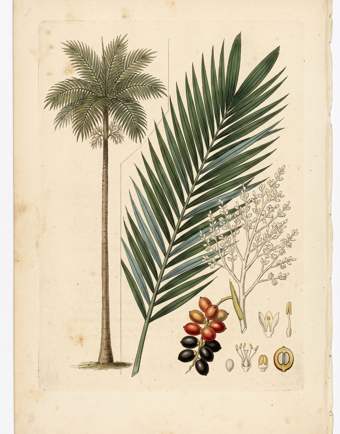
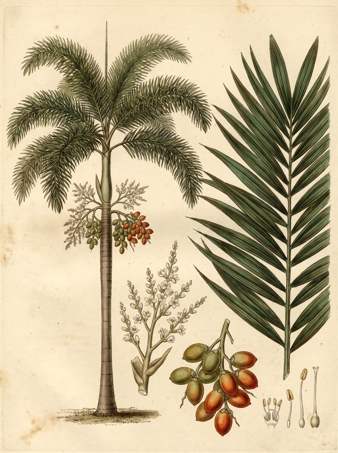
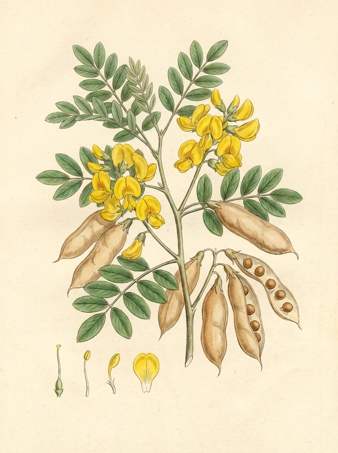
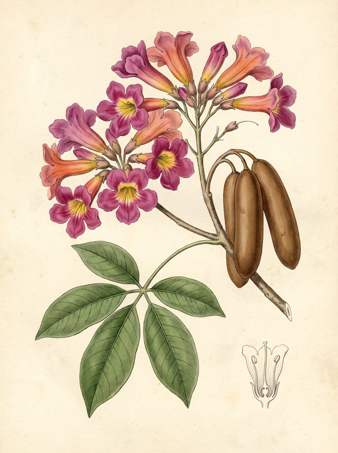
Ten years of patient work followed. A palm jungle, a hardwood forest, an orchard of more than a hundred fruit trees, a butterfly garden reached only through the palms. Some nine thousand trees and plants have gone into this soil since, gathered from four continents and chosen to live well together in the dry tropics: native giants like the kapok and the guanacaste beside talipot palms from India, baobabs from Africa and a critically endangered old man palm from Cuba.
Not everything survived. The Papagayo winds, the floods, the dry-season fires and the occasional thief all took their share, and every loss is recorded here as faithfully as every planting. The trees that remain are now in their adolescence, tall enough to shade a path and old enough to flower and fruit. The howler monkeys have moved back in. So have the coatis, the kingfishers and the crocodile on the river.
A love letter to the future.Dandapani, who planted the gardens with his wife Tatiana